Closing Costs in Iowa: What Des Moines Buyers Actually Pay (Real Numbers)
Closing costs in Iowa typically run 2% to 5% of the purchase price for buyers, which comes to roughly $4,000–$10,000 on a $200,000 home. They cover lender fees, settlement services, appraisal, recording, and prepaid items like property taxes and insurance. How much you'll pay depends on your loan type, your lender, and the day you close.
Most buyers walk into this process thinking the only number that matters is the purchase price. That's understandable — it's the biggest number on the page, and it takes real energy to get there. But closing costs are real, and they show up fast. Being caught off-guard by them in the final week of a transaction is one of the more stressful things that can happen.
Once you know what the costs are, roughly what to expect, and how the most common workarounds actually function, you can plan for them without the last-minute scramble.
What's Actually Included in Iowa Buyer Closing Costs?
These are common examples — your actual closing costs will vary based on your lender, loan type, and transaction. Consult your lender for a Loan Estimate specific to your situation.
Iowa buyers can generally expect to pay 2% to 5% of the home's purchase price in closing costs, and the state average works out to approximately $3,146 on a typical purchase. The actual number varies based on your lender, your loan type, and how things shake out at settlement.
Here's what tends to show up in that total:
Lender-related fees. These cover the cost of originating and processing your loan, and they vary the most from one lender to the next. Loan origination fees, credit report charges, rate lock fees, and application fees all fall here.
Appraisal. Your lender requires an independent appraisal before closing, and that fee comes out of pocket regardless of how the deal goes. Plan for $315–$420 in Iowa.
Settlement fees. Iowa closes real estate transactions through settlement agents, not title companies, and those services carry a fee. This covers verifying ownership, preparing transfer documents, and managing the exchange of funds.
Recording fees. A small charge, typically around $20, paid to the county to officially record the deed and make the transfer part of the public record.
Prepaid items. This is the one that surprises most buyers. Before you close, you'll prepay a portion of your property taxes and homeowner's insurance, and potentially some prepaid interest depending on the day you close. These go into an escrow account, not the seller's pocket, but they're still real cash you need at the table.
One thing worth knowing about Iowa specifically: Iowa is the only state in the country that doesn't allow title insurance. Every other state uses a title insurance policy to protect buyers from ownership disputes or undiscovered liens. Iowa instead clears the title before closing through an attorney opinion and abstract of title review. It accomplishes the same goal through a different process, and your settlement agent handles it.
The biggest mistake buyers make with closing costs is treating them as an afterthought. These aren't surprise fees tacked on at the end — they're the real cost of completing a transaction, and planning for them up front changes everything.
How Do Buyers Actually Pay Closing Costs?
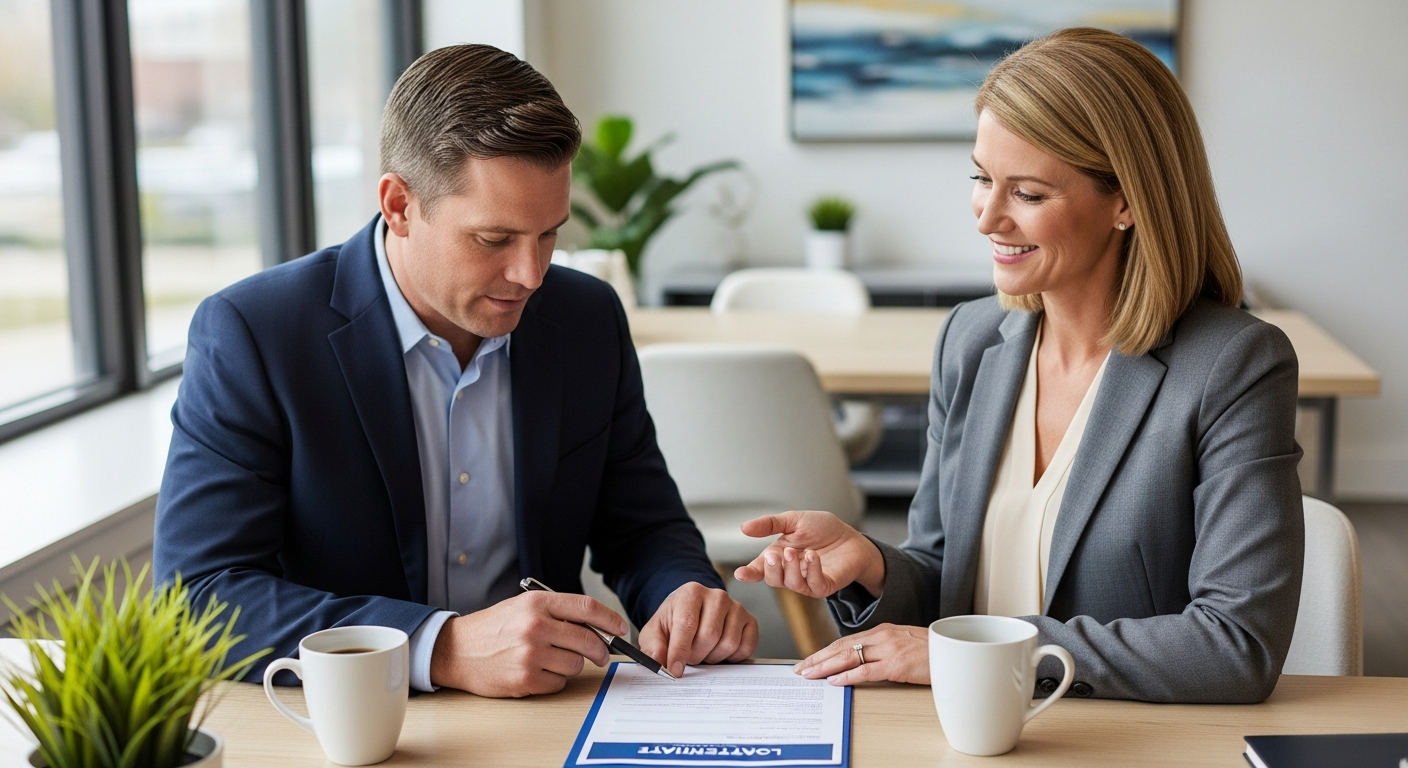
Closing costs don't have to come entirely out of pocket, but each path has trade-offs worth understanding before you commit to one.
Pay out of pocket. The cleanest option. You bring the funds to the settlement table and you're done. No additional financing, no long-term cost, no strings.
Roll them into the loan. Some lenders offer programs that allow buyers to finance their closing costs by accepting a slightly higher interest rate in exchange for a lender credit. It's worth running the math — paying more in interest over 30 years often costs more than the credit you received. Ask your lender to show you both scenarios side by side.
Ask the seller to cover them. This is the most common workaround, and it works, but it's worth understanding what it actually costs you.
Do Seller Concessions Actually Save You Money?
Seller concessions get presented as a buyer win, and sometimes they are. But most buyers don't fully understand the trade-off until after the fact.
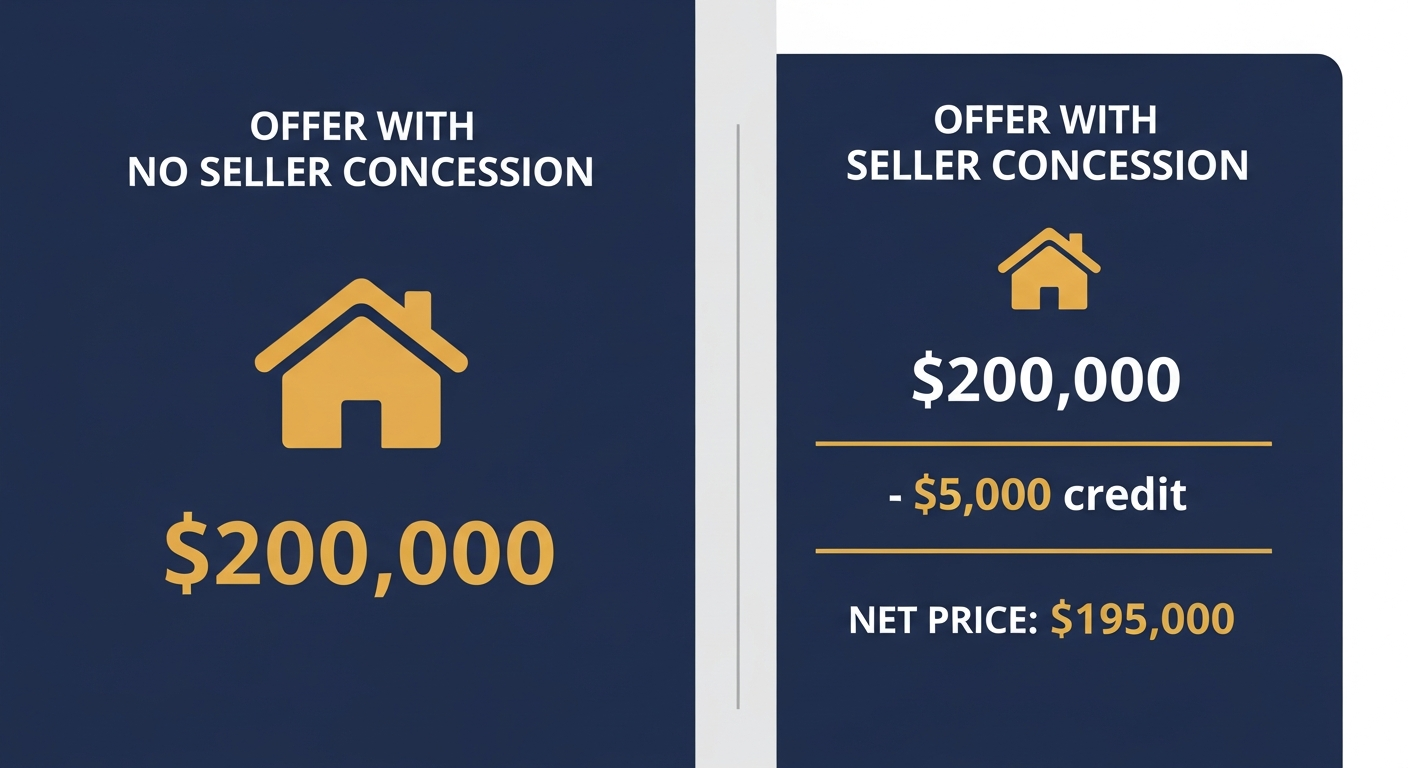
Here's the actual math: if a home is priced at $200,000 and you ask the seller to cover $5,000 in closing costs, the seller evaluates that as a $195,000 offer, because that's what they're walking away with. If you had offered $195,000 with no concession request, it's the same deal from their perspective.
We see this play out regularly with buyers in Ankeny and Johnston, where multiple-offer situations are still common. A competing offer at the same price with no concession is simply worth more to the seller. In a slower market, or on a house that's been sitting, a concession request is a legitimate tool. Context matters.
The other piece: when concessions are structured by increasing the offer price to cover the credits, you're financing that amount over the life of the loan. On a $5,000 concession wrapped into a $205,000 offer, you'll pay interest on that $5,000 for as long as you hold the mortgage. It's not a bad trade if it solves a real cash-flow problem at closing, but it isn't free money.
We had a transaction where the buyer negotiated $3,500 in seller-paid closing costs on a $225,000 purchase. Reasonable ask, reasonable deal. And that buyer still brought more than $6,000 to the settlement table to cover the remaining costs — and that was before accounting for the down payment. Seller concessions helped, but they didn't come close to covering everything. That's the gap most buyers aren't prepared for, and the earlier you know about it, the better positioned you'll be.
Free Download: Who Pays for What at Closing in Iowa?
The line-by-line breakdown of who covers what at the closing table — buyer costs, seller costs, and everything in between. One page, both sides.
Download the Free GuideHow Do You Find Out Your Exact Closing Costs Before You Close?
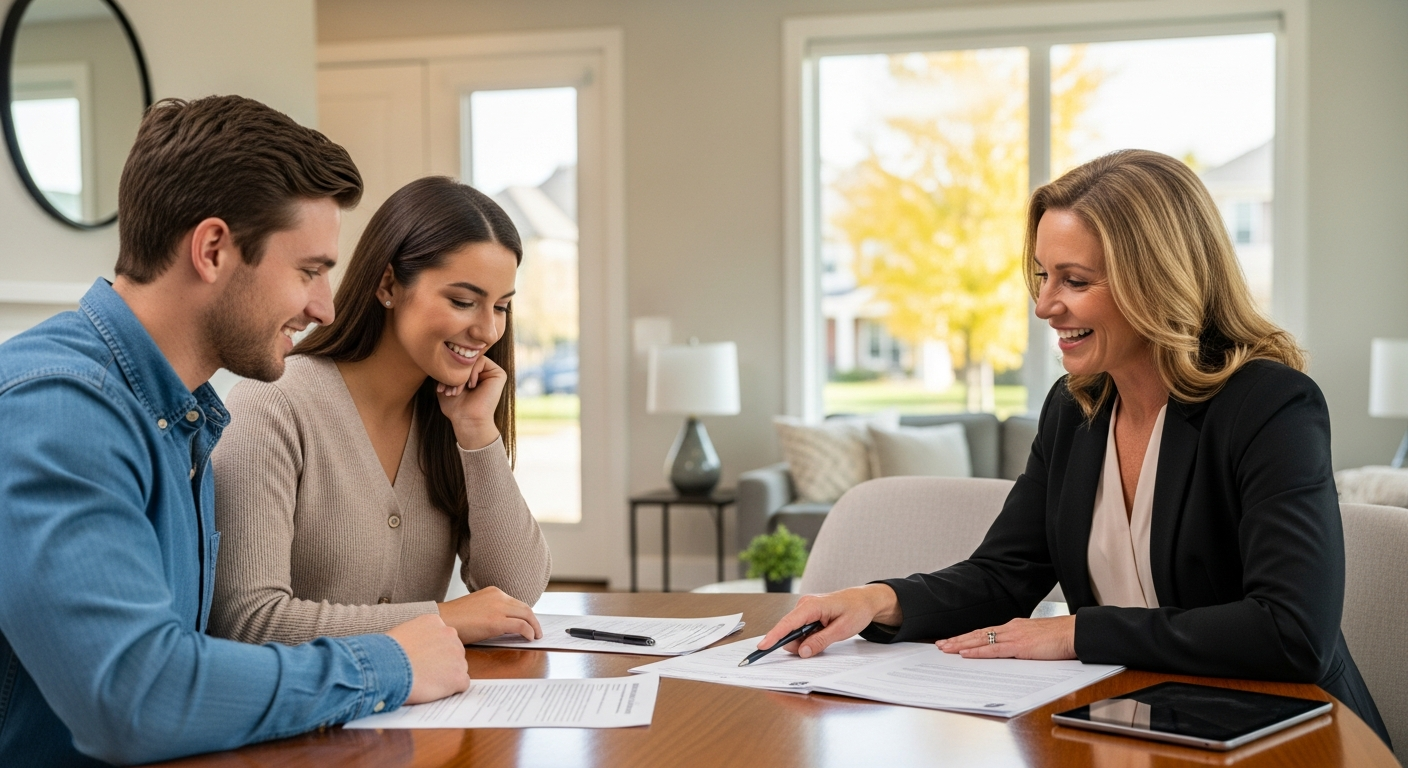
The most useful thing you can do before you ever write an offer is get a real closing cost estimate from your lender — not a rough guess and not a national average, but a Loan Estimate based on your specific loan amount, loan type, and approximate purchase price.
Lenders are required by law to provide a Loan Estimate within three business days of receiving your application, and that document will show you a detailed breakdown of expected costs. Comparing estimates across two or three lenders is one of the most effective ways to reduce what you'll actually pay, because lender fees vary significantly and most buyers never shop them.
You'll receive a final Closing Disclosure at least three business days before settlement with the exact numbers. If anything on it doesn't match what you expected, that's the time to ask.
Ready to Know What Closing Costs Look Like on a Specific Home?
Closing costs make more sense when you can run the numbers on a real purchase. If you want to walk through what to expect before you write an offer, call our office and we'll give you a straight answer.
(515) 505-1818Frequently Asked Questions
How much are closing costs for buyers in Iowa?
Iowa buyers typically pay 2% to 5% of the purchase price in closing costs. On a $200,000 home that's $4,000 to $10,000. The state average is approximately $3,146, though your actual number will depend on your lender, loan type, and the specific terms of your transaction.
What does Iowa do instead of title insurance?
Iowa is the only state in the country that doesn't allow title insurance. Instead, an attorney reviews the property's abstract of title before closing to confirm ownership is clear of liens, disputes, or unpaid taxes. Your settlement agent handles this process — the result is the same, the method is different.
Can the seller pay my closing costs in Iowa?
Yes, sellers can contribute to a buyer's closing costs, and this is common. The amount they can contribute is capped based on your loan type. The trade-off is that a concession request reduces the net value of your offer from the seller's perspective, so how and when you use it matters.
When do I find out exactly what my closing costs will be?
Your lender is required to give you a Loan Estimate within three business days of receiving your application. You'll receive a final Closing Disclosure at least three business days before settlement with the exact numbers.
Are closing costs the same as a down payment?
No. A down payment is the equity portion you're putting into the home and goes toward the purchase price. Closing costs are separate fees that cover the transaction itself — lender charges, settlement services, and prepaid items. You'll need both.
Do closing costs change based on what day you close?
They can. One item in closing costs is prepaid interest, which covers the interest that accrues from the day you close to the end of that month. Closing earlier in the month means more prepaid interest due at closing. The difference is usually small, but it's why the same loan on the same house can show slightly different costs depending on the closing date.
Have questions about this topic?
Our team is here to help you navigate the Des Moines market.
Get in Touch